
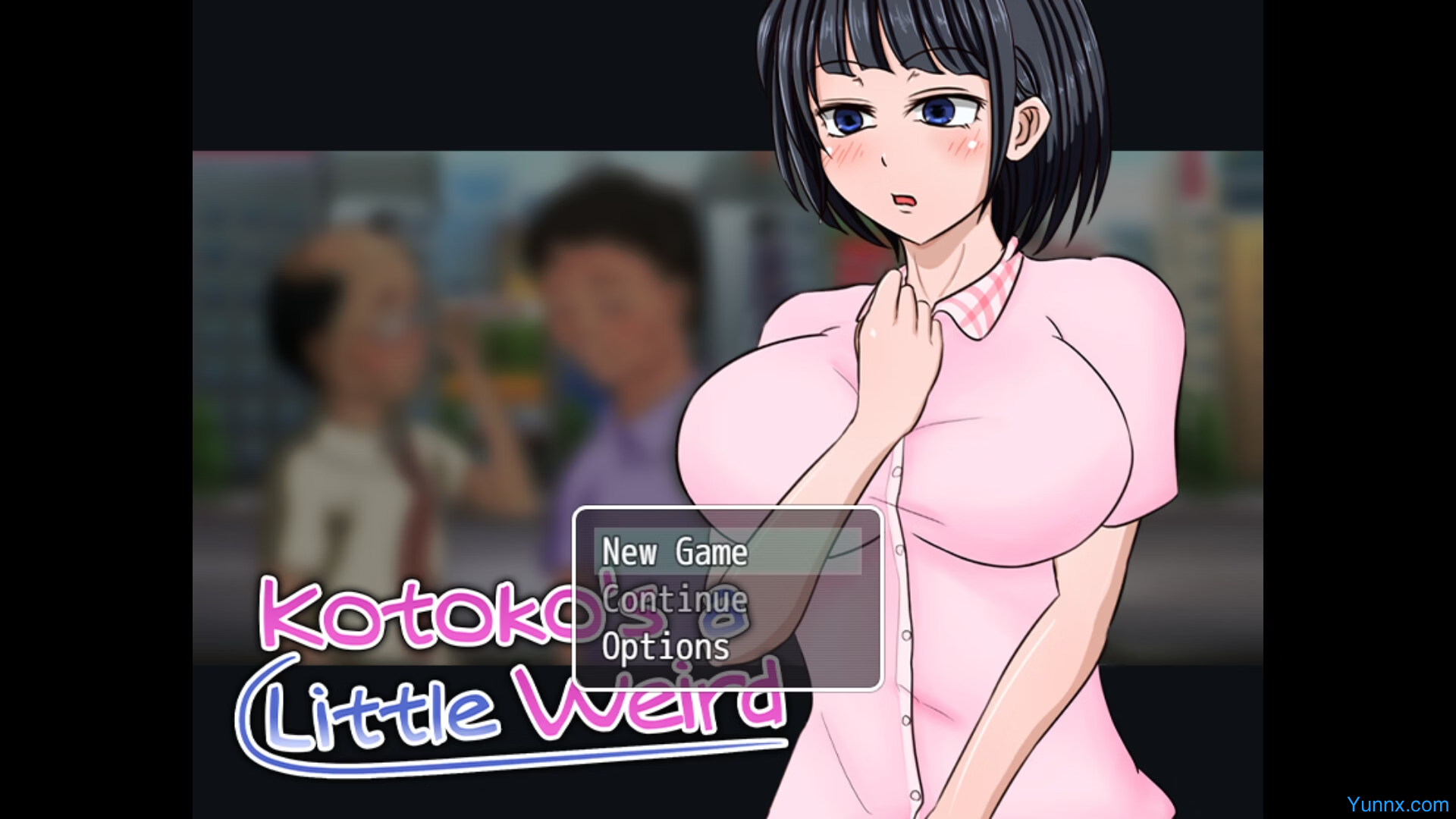
"Kotoko's a Little Weird" follows a high school girl shedding years of performative perfectionism to embrace her quirky, unfiltered self. Through quirky daily misadventures, heartfelt conversations, and small acts of rebellion, this charming narrative celebrates the beauty of being "odd"—and the courage it takes to let your true colors shine.
The Weight of "Perfect": A Life in Boxes
1. Academic Pressure Cooker: Kotoko’s days were ruled by a rigid schedule: 6 AM study sessions, straight-A report cards, and a "polite, quiet" persona that masked her love for punk rock and messy doodles. Teachers praised her "discipline"; peers called her "cold." But behind closed doors, she’d scribble lyrics in margins, hum off-key to J-pop, and stare longingly at the art club’s vibrant murals—dreams she buried under textbooks.
2. Social Masking, Real Loneliness: At family gatherings, she forced laughter at dull adult jokes; at school, she nodded along to cliques’ gossip without joining in. "Be likable," her mom advised. "Success needs a clean image." Yet Kotoko felt lonelier than ever—her "perfection" was a wall, not a bridge. A hidden journal entry read: "If I’m not perfect, who am I?"
3. Burnout’s Quiet Rebellion: A failed piano recital (nerves made her fingers fumble) and a melted ice cream cone (she’d skipped lunch to study) became the final straws. "I’m tired," she told her reflection one night, staring at her reflection’s hollow eyes. "Tired of being a robot in a pretty dress."
The First Crack: Letting the "Weird" Out
1. Art Club: Where Messiness Belongs: On a whim, Kotoko wandered into the school art room during lunch. Instead of the hush of the library, there was laughter—students splattering paint, debating abstract concepts, and leaving canvases half-finished. Ms. Sato, the eccentric art teacher, handed her a brush: "Try not to overthink it. Ugly is just a word." Kotoko’s first stroke was wobbly, bold, and free.
2. Manga Swap: Finding Her Tribe: A classmate, Hana, noticed Kotoko sketching a manga character during math. "That’s my OC!" Hana gushed, pulling out a tattered notebook filled with chaotic doodles. Suddenly, Kotoko wasn’t "the quiet girl"—she was "the one who gets my weird art." They bonded over late-night snack runs and debates over whether aliens would prefer ramen or sushi.
3. Family Shock: "Is This You?": When Kotoko came home with neon-pink streaks in her hair (Hana’s idea) and a hand-drawn manga about her cat, her mom froze. "Sweetheart, are you… okay?" Kotoko took a breath. "I’m more than okay. I’m me." Her dad chuckled: "Your mom used to dye her hair purple in college. Maybe you got that from her." Laughter filled the room—real, unguarded, and warm.
The Beauty of "Odd": Small Acts, Big Change
1. Classroom Courage: Speaking Up: Kotoko raised her hand in literature class, not to recite the "correct" analysis, but to share how the poem made her feel—"like I’m screaming into a pillow, but the pillow hugs back." The class fell silent, then erupted in applause. "Finally," Hana mouthed, grinning. "Someone’s awake."
2. Hobby Revolution: Junk to Joy: She turned her desk drawer (once stuffed with hidden manga and old concert tickets) into a "weirdness shrine": a mismatched ceramic frog, a poster of a space cat, and her favorite—her mom’s old purple hair clip. "It’s not junk," her mom said, smiling. "It’s memory."
3. Self-Love: Imperfection as Strength: Kotoko stopped editing her thoughts before speaking. She wore mismatched socks to school. She cried when her art project got criticized—not because it was "bad," but because she cared. And in those moments, she realized: being "weird" wasn’t a flaw. It was her superpower.