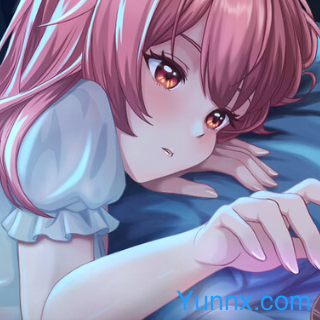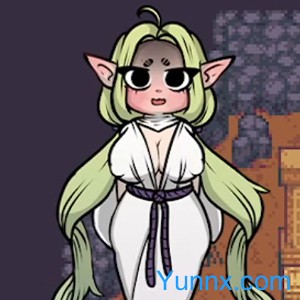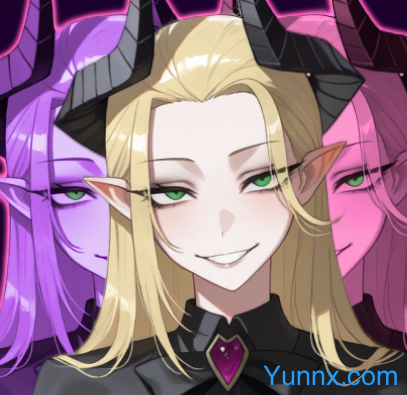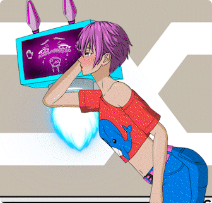

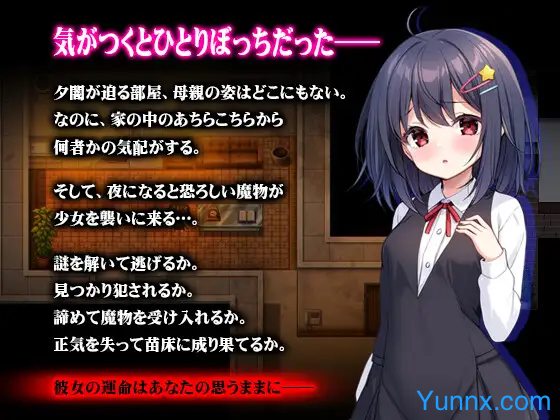


"Muchi Shoujo to Bakemono" traps players in a night of terror with a lone girl, her missing mother, and a creeping sense of dread. As unknown entities stalk the shadows and a monstrous threat emerges, every choice—from hiding to fighting—shapes her fate: escape, corruption, surrender, or descent into madness.
A Night of Uncertainty: Choices That Redefine Survival
1. Isolation as a Weapon: The game opens with the girl waking to pitch-black darkness, her mother vanished. Every creak of the floorboard, every rustle in the walls, forces her to question: Is the monster real? Or is the house itself her enemy? This isolation amplifies tension—no allies, no clear rules, just raw survival instinct.
2. Dynamic Decision-Making: Your choices ripple through the night. Do you search the house for clues, risking confrontation? Barricade yourself in a room, hoping the monster loses interest? Or reach out for help, only to invite… other dangers? Each action feels weighty, with consequences that shift the story’s tone from suspense to despair.
3. Psychological Unraveling: The girl’s mental state is as fragile as her surroundings. Flashbacks of her mother’s voice, panic-induced hallucinations, and the gnawing fear of “what if I’m already too late” blur the line between reality and delusion. Players don’t just survive—they grapple with her unraveling mind.
Four Fates, One Night: The Weight of Every Decision
1. Escape: Can she piece together the house’s secrets (a hidden key, a coded note) to unlock an exit before dawn? Success demands quick thinking—and a willingness to confront the monster head-on. But freedom may come at a cost: what truths about her mother does she leave behind?
2. Corruption: If she submits to the monster’s advances, what happens next? Does it promise protection… in exchange for something darker? This path twists survival into a moral quagmire, where “safety” feels like a trap.
3. Surrender: Giving up means accepting the monster’s presence. Will she hide, weeping, as it prowls nearby? Or worse—embrace its “comfort,” losing herself to apathy? This ending lingers with a haunting sense of defeat.
4. Madness: The final option: losing her grip on reality. Hallucinations turn the house into a labyrinth of her worst fears. Does she become the monster’s “breeding ground”… or does her fractured mind forge a new kind of power? This path is the most unpredictable—and the most chilling.
Immersion Through Sensory Terror: Sight, Sound, and Dread
1. Atmospheric Visuals: Dim, flickering lighting casts long shadows across decrepit furniture, bloodstains, and half-open doors. The girl’s sprite trembles, her eyes wide with fear—subtle animations make every scare feel visceral.
2. Sound Design That Preys on Instinct: A low, guttural growl echoes from the basement. A child’s whisper calls her name from an empty closet. The absence of music (until the monster strikes) makes silence feel as threatening as noise, keeping players on edge.
3. Environmental Storytelling: Clues are hidden in plain sight—a shattered photo frame, a diary entry scrawled in crayon, a trail of muddy footprints leading to the attic. Piecing these together doesn’t just solve the mystery… it deepens the horror of what’s really happening.