
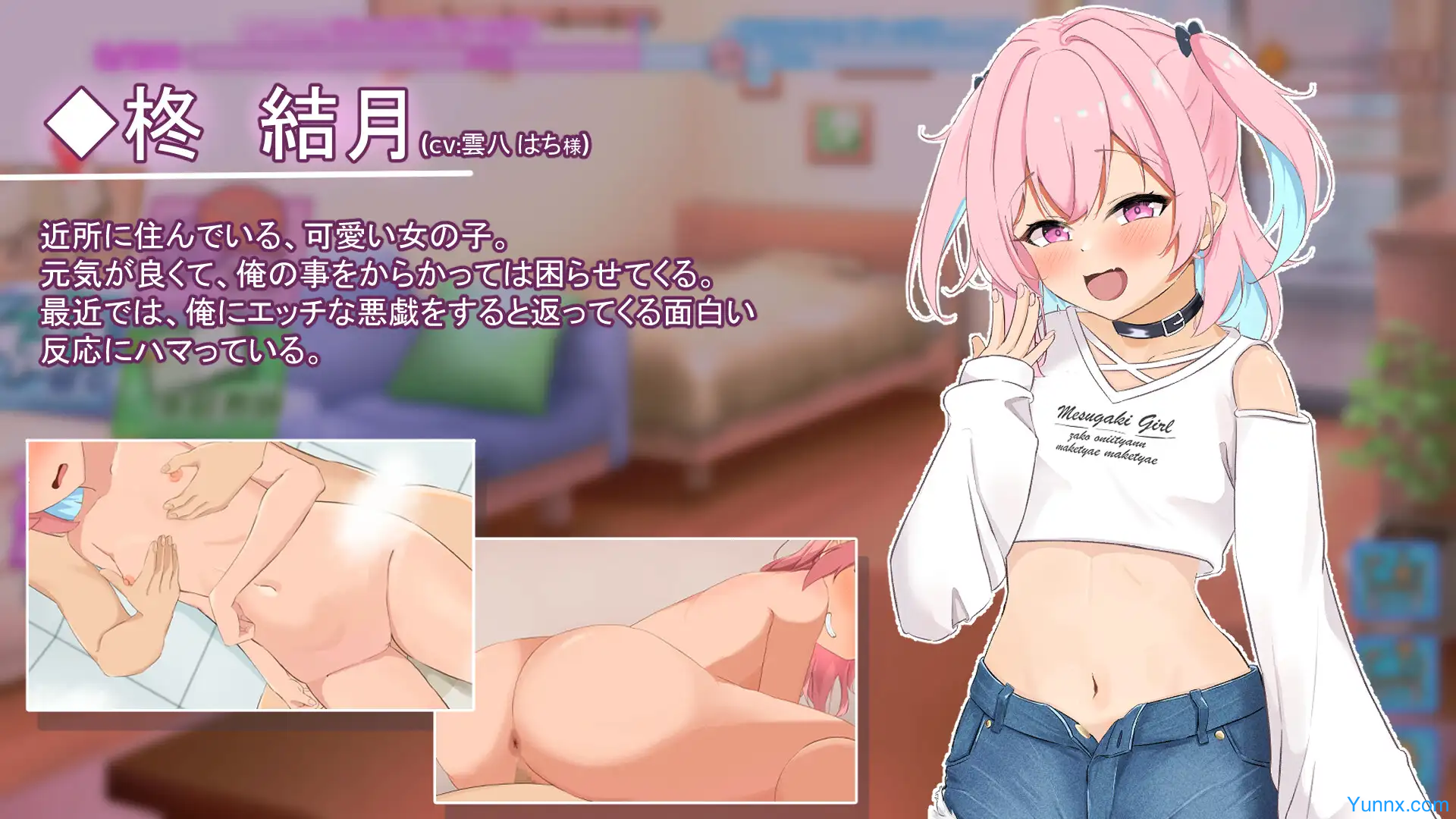
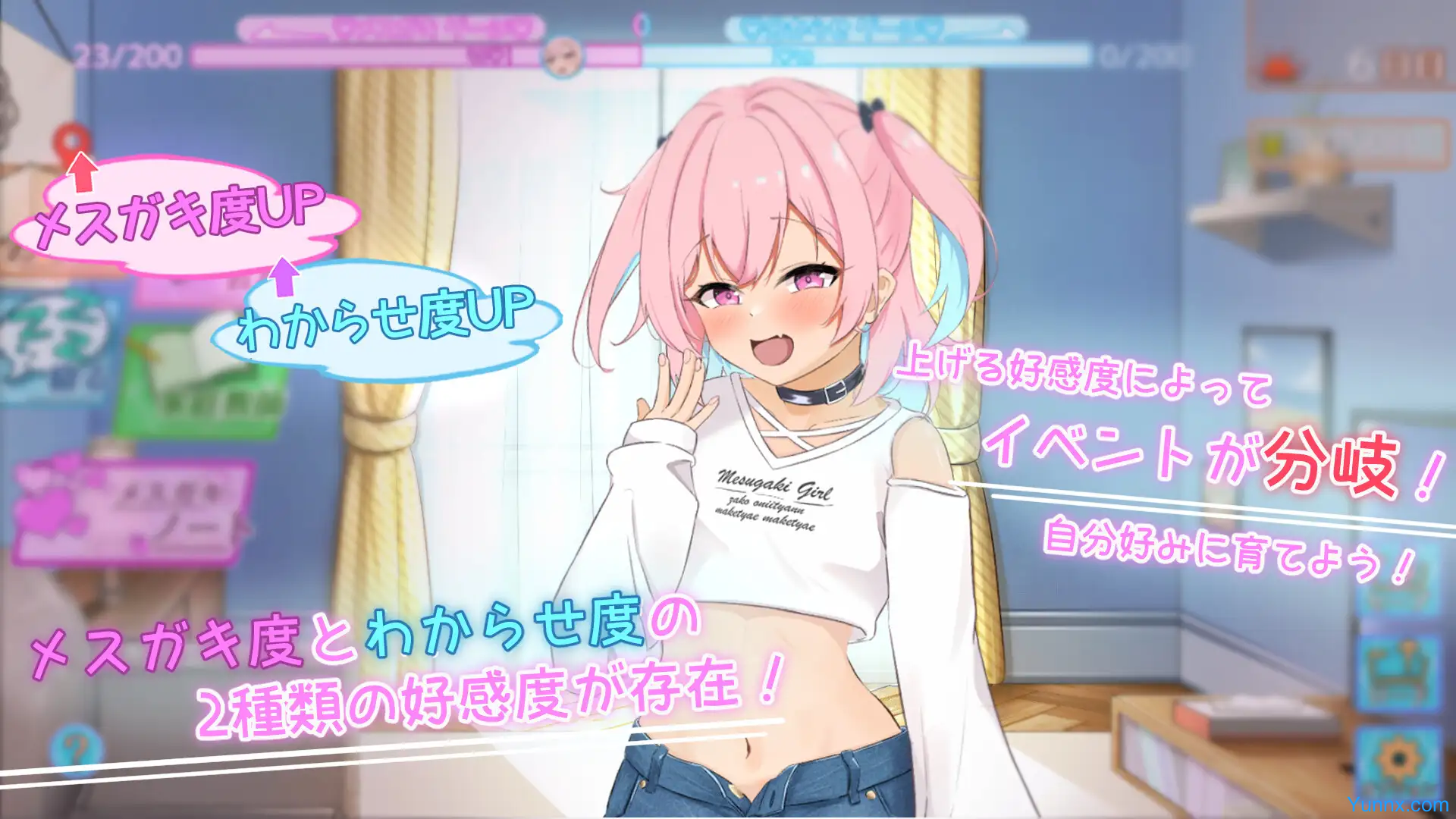
A sun-soaked summer slice-of-life RPG kicks off when a laid-off office worker’s paid leave collides with his feisty neighbor Yuzuki moving in. What starts as chaotic teasing and bickering evolves into heartfelt days of shared chores, late-night talks, and the slow, sweet realization that “living together” might mean something deeper.
A Summer of Unexpected Togetherness
The game opens with the protagonist—let’s call him “Ren”—stunned to learn he’s been granted two months of paid leave after a quiet office slump. Boredom looms large until Yuzuki, his sharp-tongued 17-year-old neighbor, bangs on his door one morning. “Big brother’s gonna be my housemate now,” she declares, tossing a duffel bag at his feet. What follows is a month of unscripted summer days: Ren learning to cook her spicy curry, Yuzuki “fixing” his creaky bike (and nearly breaking it), and late-night arguments over the TV remote that somehow turn into stargazing sessions.
1. Domestic Chaos, Realistic Vibes: The game nails small, relatable details—burnt toast, mismatched socks, Yuzuki “borrowing” Ren’s shirts without asking. These moments make their world feel lived-in, not scripted.
2. Summer as a Character: Sunlight filters through paper screens, cicadas hum in the background, and the scent of jasmine lingers. The season isn’t just a backdrop; it shapes their activities (ice cream runs, poolside pranks) and moods.
3. No Grand Plot, Just Heart: Forget save-the-world stakes. The “mission” here is simpler: learn to coexist. But in these quiet, everyday moments, something unexpected blooms.
Yuzuki: Sass, Spunk, and a Soft Underbelly
Yuzuki isn’t your typical “tsundere”—her teasing is bold, unfiltered, and often hilarious. She calls Ren “old man” (despite being two years younger) and mocks his terrible coffee, but there’s a vulnerability beneath the bravado. She’s been caring for her ailing grandma alone since middle school, and her tough act masks a longing for stability.
1. Teasing as Communication: Her jabs (“Your hair’s a mess!”) are her way of saying, “I care.” When Ren burns dinner, she huffs, “You’re worse than grandma’s cat!”… then secretly orders takeout.
2. Hidden Depths: Late one night, she breaks down talking about her grandma’s hospital bills. Ren’s quiet support—offering his savings, no questions asked—reveals a kindness she didn’t know he had.
3. Growth Through Conflict: By summer’s end, her barbs soften. When Ren mentions returning to work, she mutters, “Don’t get used to my cooking…” but slips him a handwritten recipe card.
Ren’s Journey: From Driftwood to Anchored
Ren starts the summer adrift—unmoored from his old routine, unsure of his next step. Living with Yuzuki forces him out of his shell. He learns to fix things (literally and emotionally), listens more, and even starts smiling again. Their dynamic isn’t one-sided, though: Yuzuki, too, finds purpose. Teaching Ren to ride a bike, she rediscovers the joy of mentoring someone.
1. Emotional Payoffs: Small wins matter. When Ren finally cooks her grandma’s favorite dish, Yuzuki’s smile is wider than he’s ever seen. These moments build a bond that feels earned, not forced.
2. Shared Memories: The game uses photo albums and mementos (a seashell from their beach day, a doodle on the fridge) to track their growth. Revisiting these later adds warmth.
3. No “Perfect” Endings: Depending on choices, their relationship might stay platonic, blossom into romance, or remain comfortably platonic—with Yuzuki teasing him about “almost” being a boyfriend either way.