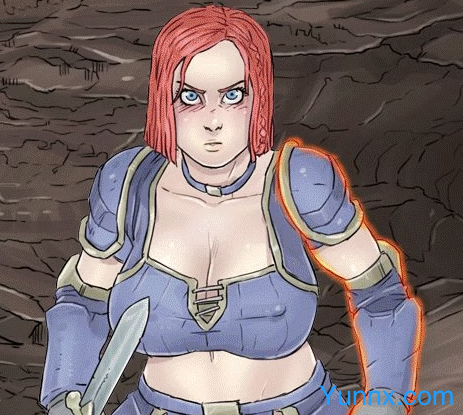

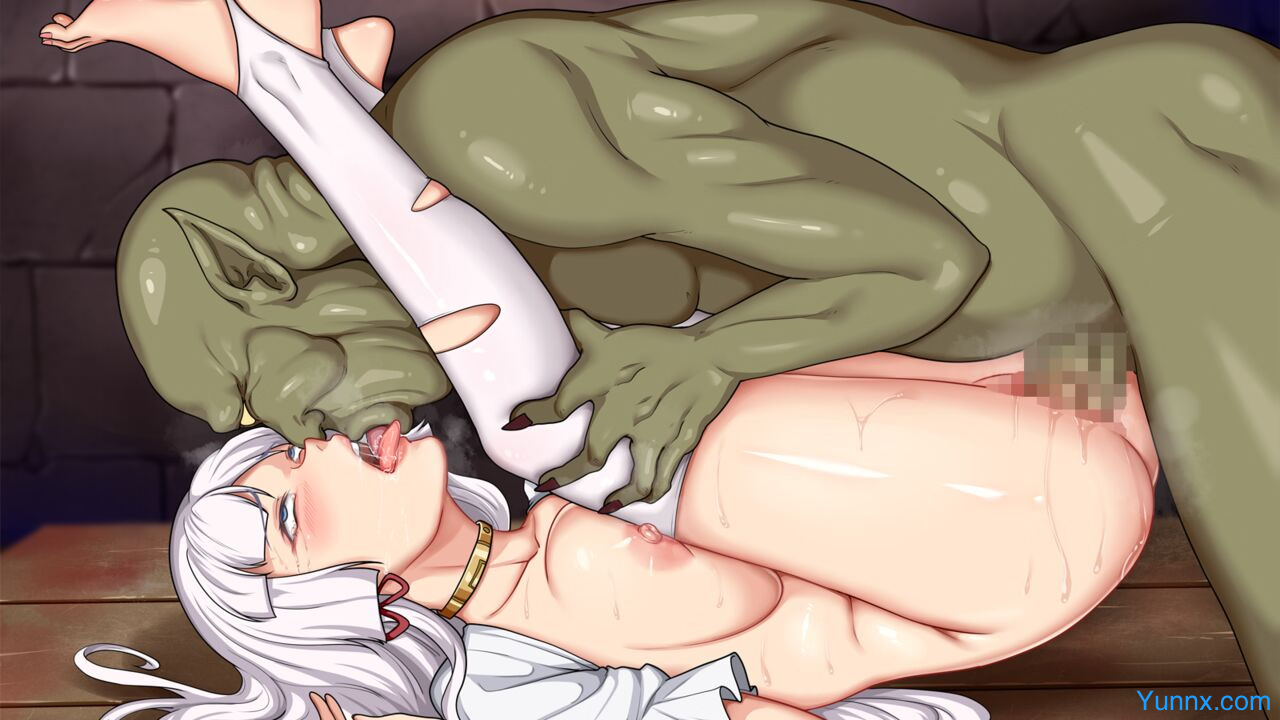
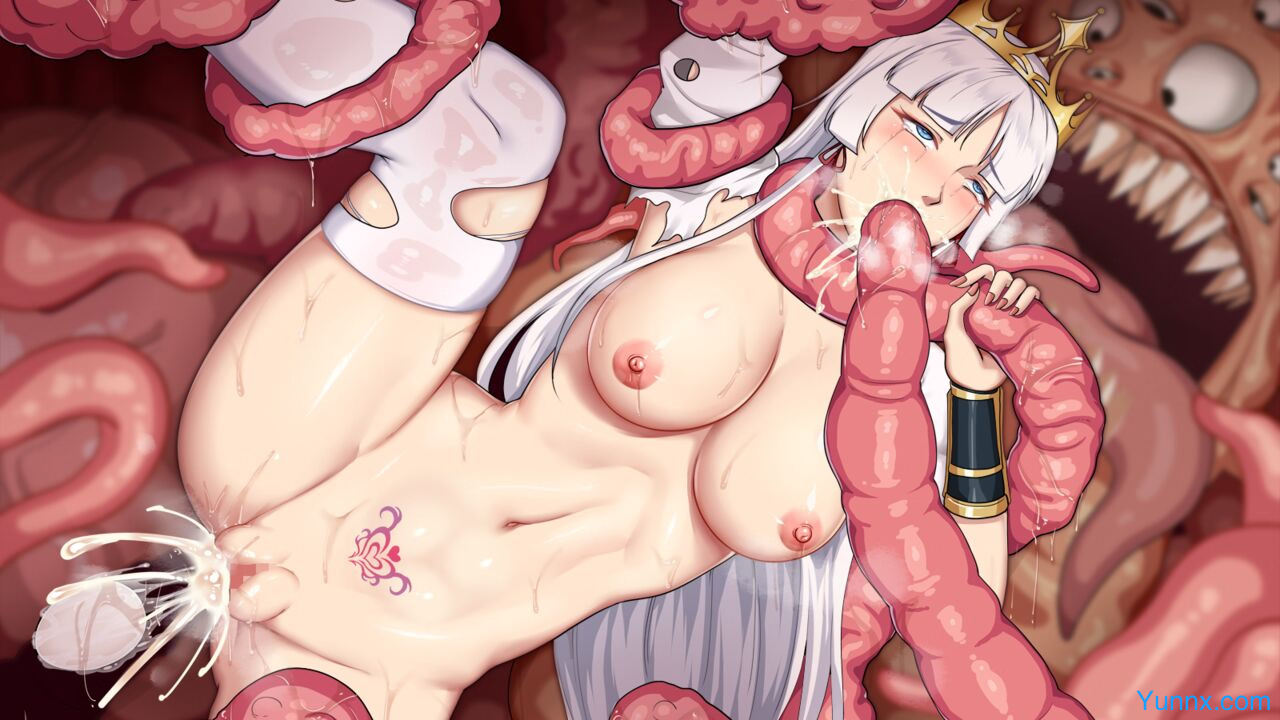

In Fallen Knight Elior: The Abandoned Mine is a Demonic Cave of Flesh Pleasure, a proud noble knight’s quest to purge a mine of goblins turns into a nightmarish fight for survival. Defeated and violated, Elior must navigate a nightmarish labyrinth where the mine itself seems alive with malevolence—all while grappling with shattered honor and the primal will to escape.
A Knight’s Fall: Pride, Pain, and the Price of Arrogance
Elior of House Vaelin isn’t just a knight—she’s a symbol. Her silver armor, forged by her Duke father, bears the crest of a phoenix, a testament to her lineage’s unbroken honor. For years, she’s vanquished bandits, slayed trolls, and earned the adoration of peasants… and the quiet envy of lesser nobles. When villagers report goblin raids on their mines, Elior volunteers, certain her blade will end the threat in days. But the mine holds more than brutes: it’s a trap, and her overconfidence blinds her to the danger. A scarred warlord goblin, bigger than any she’s faced, disarms her with a brutal strike, leaving her bloodied and unconscious. When she wakes, the mine’s air reeks of iron and rot—and her body bears the marks of violation. Her world of honor shatters; survival is now her only creed.
1. Noble Roots, Fragile Ego: Elior’s backstory unfolds through flashbacks—training with her father, defending villages, and the weight of living up to her family’s name. Her confidence isn’t just arrogance; it’s a shield against the fear of failing those who depend on her.
2. The Violation: This isn’t a gratuitous moment—it’s a trauma that reshapes her. Flashbacks of the attack haunt her, but so do flashes of clarity: the goblin’s eyes held a disturbing intelligence, as if the mine itself guided him.
3. Stakes of Survival: Escape isn’t just physical. Elior must reclaim her dignity to avoid becoming a pawn in the mine’s dark games. Her choices—fight or flee, trust or betray—will define whether she emerges a hero… or a cautionary tale.
The Mine That Breathes: A Labyrinth of Flesh and Malice
The abandoned mine is no ordinary cave. Its walls pulse faintly, as if veined with living tissue, and the air hums with a low, sickening drone. What started as a goblin den has festered into something worse: a demonic hive where the creatures have merged with the stone, their bodies warping into grotesque parodies of life.
1. Environmental Horror: The mine shifts—walls collapse, floors give way to chasms, and bioluminescent fungi cast eerie glows that distort perception. Worse, the air carries spores that induce hallucinations: Elior sees visions of her father’s disapproval, or hears her own voice begging for mercy.
2. Goblin Evolution: These aren’t mindless brutes. They’ve adapted: some wield rusted blades forged from mine ore, others spit acidic slime, and a few (like the scarred leader) seem to command the mine itself, causing rockslides or summoning swarms.
3. Hidden Secrets: Behind cracked walls lie altars carved with eldritch symbols, and buried journals reveal the mine was once a site of dark rituals—rituals that bound demons to the stone. The goblins? They’re not the masters… just puppets.
Fight or Flight: Survival in a Living Hell
Elior’s escape hinges on adaptability. Her once-pristine sword is now chipped, her armor dented, but her wits are sharper than ever. She must balance brute force with cunning, using the mine’s own horrors against her foes.
1. Combat Evolution: Early on, she relies on her knightly training—precision strikes, shield blocks—but the mine’s corruption weakens her magic. She adapts: using rusted tools as improvised weapons, luring goblins into traps (collapsing tunnels, triggering rockfalls), and even exploiting their warped biology (a weakness to fire, revealed by burning a fungal patch).
2. Resource Scarcity: Health potions are rare, found only in hidden chests guarded by elite goblins. Bandages are scavenged from corpses, and food/water are nonexistent—forcing Elior to make brutal choices: drink from a stagnant pool (risking infection) or push through hunger to avoid weakening.
3. Psychological Torment: The mine preys on her mind. Whispers echo (“You’re already broken”), and her reflection in puddles shows a haggard, unrecognizable figure. But moments of clarity—remembering her father’s words, “A Vaelin never yields”—fuel her resolve.
Redemption or Ruin? Choices That Shape the Knight’s Fate
By the time Elior reaches the mine’s surface, she’s not the same woman who descended. Her armor is bloodstained, her hands tremble—not just from exhaustion, but from the choices she’s made. Did she spare a wounded goblin, hoping for mercy? Or crush its skull without hesitation? The mine’s corruption clings to her, and the outside world may not accept a “tainted” knight.
1. Moral Crossroads: Every kill, every act of mercy, alters Elior’s “soul meter.” A high meter unlocks a ending where she exposes the mine’s dark rituals, reclaiming her honor. A low meter leads to a darker path: she embraces the mine’s power, becoming a fearsome, if cursed, warrior.
2. Uncovering the Truth: The final confrontation reveals the mine’s master—a demon lord bound centuries ago by Elior’s ancestor. Her family’s pride blinded them to the curse they unleashed; Elior must choose: destroy the demon (and risk collapsing the mine, burying evidence of her family’s sin) or free it (to end the corruption, but damn herself).
3. Legacy of Survival: The game doesn’t end with the credits. A post-game mode lets players revisit the mine, now teeming with new horrors, to uncover hidden lore, unlock alternate costumes, or even try to “cure” Elior’s corruption.