
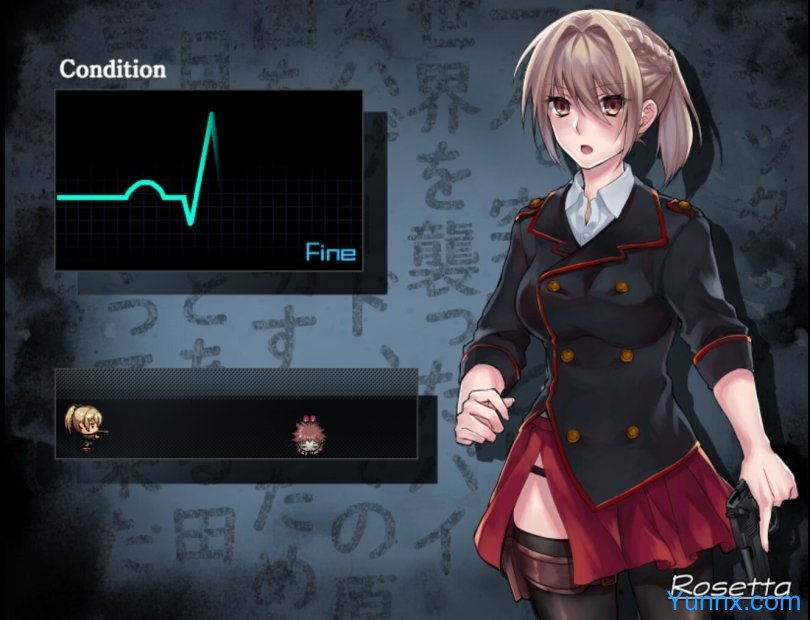




In Blood Rose ~ Origin of the Plague, a sharp-witted intelligence agent, Rosetta, is dispatched to a war-torn eastern nation to trace the source of a lethal bio-virus. Trapped in a decrepit, monster-haunted mansion, she must decode secrets, outwit mutated horrors, and survive long enough to unveil the conspiracy—or become the next victim.
The Outbreak: A World on the Brink
The virus, dubbed “Crimson Bloom,” has ravaged cities, turning victims into feral, bloodthirsty creatures. Governments scramble to contain it, but whispers of a deliberate release—a bioweapon gone rogue—persist. Rosetta, a veteran of black-ops investigations, is chosen for her discretion and skill: she’s survived betrayal before, and her file lists “no survivors” in past missions. The eastern country, once a hub of scientific innovation, now lies in ruins, its research facilities abandoned… except for one: the sprawling, gothic Blackthorn Manor, where the first outbreaks began. Locals avoid it, claiming the building “breathes” at night—a rumor Rosetta intends to test.
1. Real-World Parallels: The virus mirrors historical pandemics, with infected zones mirroring quarantine failures. Newspapers and radio broadcasts hint at government cover-ups, deepening the mystery.
2. Rosetta’s Drive: Beyond duty, she’s motivated by personal stakes: her former mentor, Dr. Aris Thorne, vanished while studying Crimson Bloom. His last message? “Blackthorn holds the key… and the sin.”
3. Monster Ecology: Infected humans mutate into distinct threats—“Gushers” (acid-spitting brutes), “Stalkers” (stealthy hunters with razor claws), and “Weavers” (telepathic controllers). Each type reveals clues about the virus’s origin.
The Mansion: A Labyrinth of Lies & Corpses
Blackthorn Manor isn’t just a setting—it’s a character. Once a private estate for the wealthy Voss family, it now oozes decay: shattered chandeliers dangle over bloodstained marble floors, portraits of the Voss ancestors leer from moldy walls, and hidden passages hum with unnatural energy. Every room tells a story: the library holds charred research logs, the conservatory shelters a greenhouse of mutated plants, and the basement… well, no one who’s gone down there returns.
1. Interactive Environments: Players search for keys, decode cipher notes, and manipulate machinery (e.g., restoring power to locked doors) to progress. A hidden lab, accessible only via a collapsed chimney, reveals early virus experiments.
2. Atmospheric Horror: Dim lighting, creaking floorboards, and sudden jump scares (a hand bursting from a coffin, a whisper in Rosetta’s ear) keep tension high. Weather effects—thunderstorms, thick fog—amplify the dread.
3. Monster Behavior: Enemies adapt: Gushers retreat when injured, Stalkers learn to flank, and Weavers manipulate the environment (e.g., slamming doors, dropping chandeliers). Players must study patterns to survive.
Survival & Combat: Skill Meets Savagery
Rosetta isn’t just a detective—she’s a fighter. Armed with a custom pistol, combat knife, and a set of experimental gadgets (smoke pellets, stun batons), she must balance stealth and aggression. Ammo is scarce; healing items (serums, bandages) are limited. Every encounter demands strategy: take down a Stalker quietly to avoid alerting others, or go loud to conserve time but risk drawing a horde.
1. Gadget Synergy: Combine gadgets with combat: use a smoke pellet to disorient a Weaver, then slash its weak point (glowing purple veins) with the knife. Or deploy a stun baton to disable a Gusher before finishing it with the pistol.
2. Health Management: Rosetta’s stamina depletes with intense fights; overexertion leaves her vulnerable. Finding safe rooms to catch her breath, or using herbal remedies (scattered in the manor’s greenhouse), is critical.
3. Moral Choices: Spare infected civilians (who may later aid or betray her) or eliminate them to reduce risk. These decisions affect Rosetta’s “morality meter,” unlocking unique dialogue and endings.