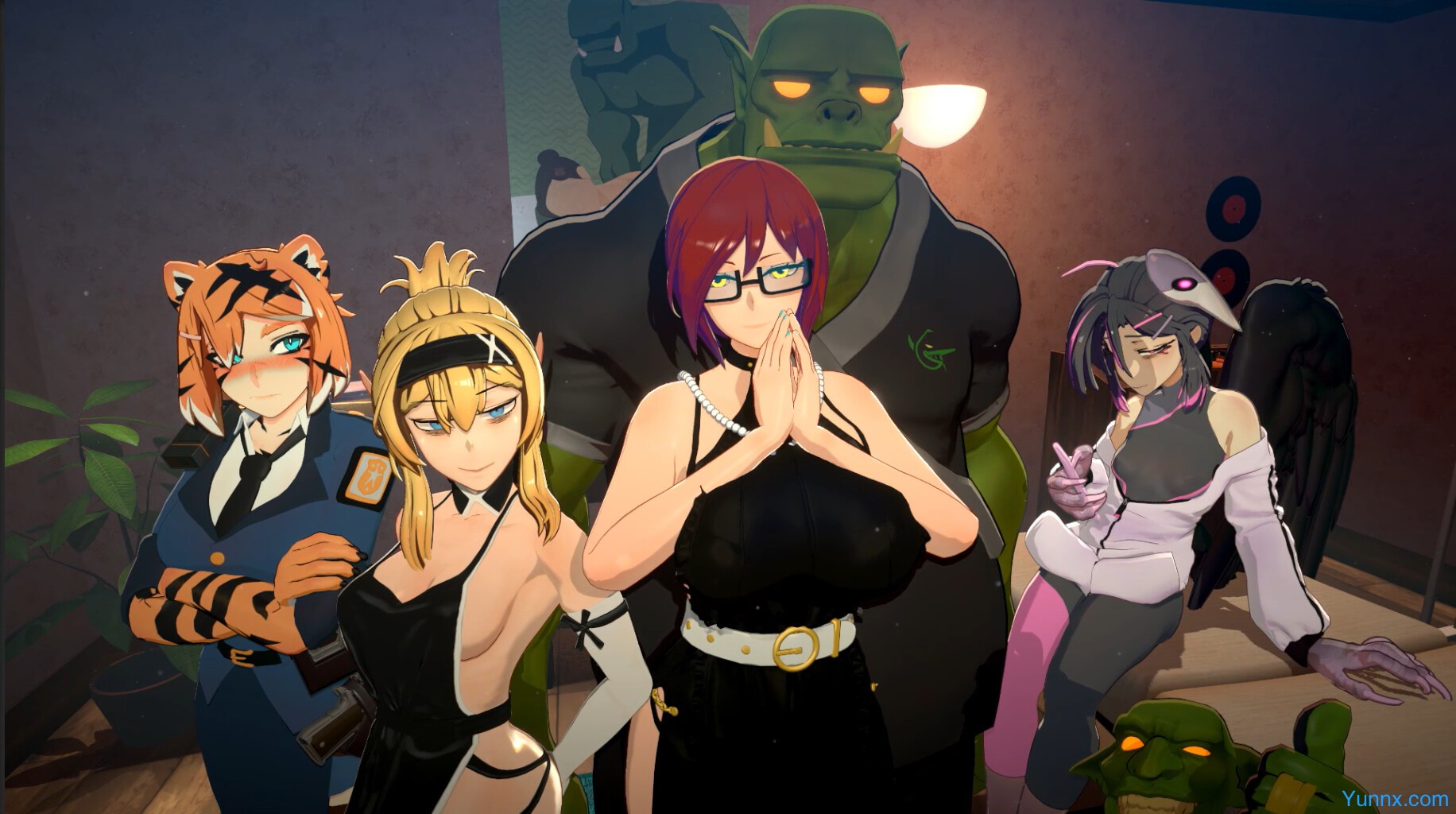
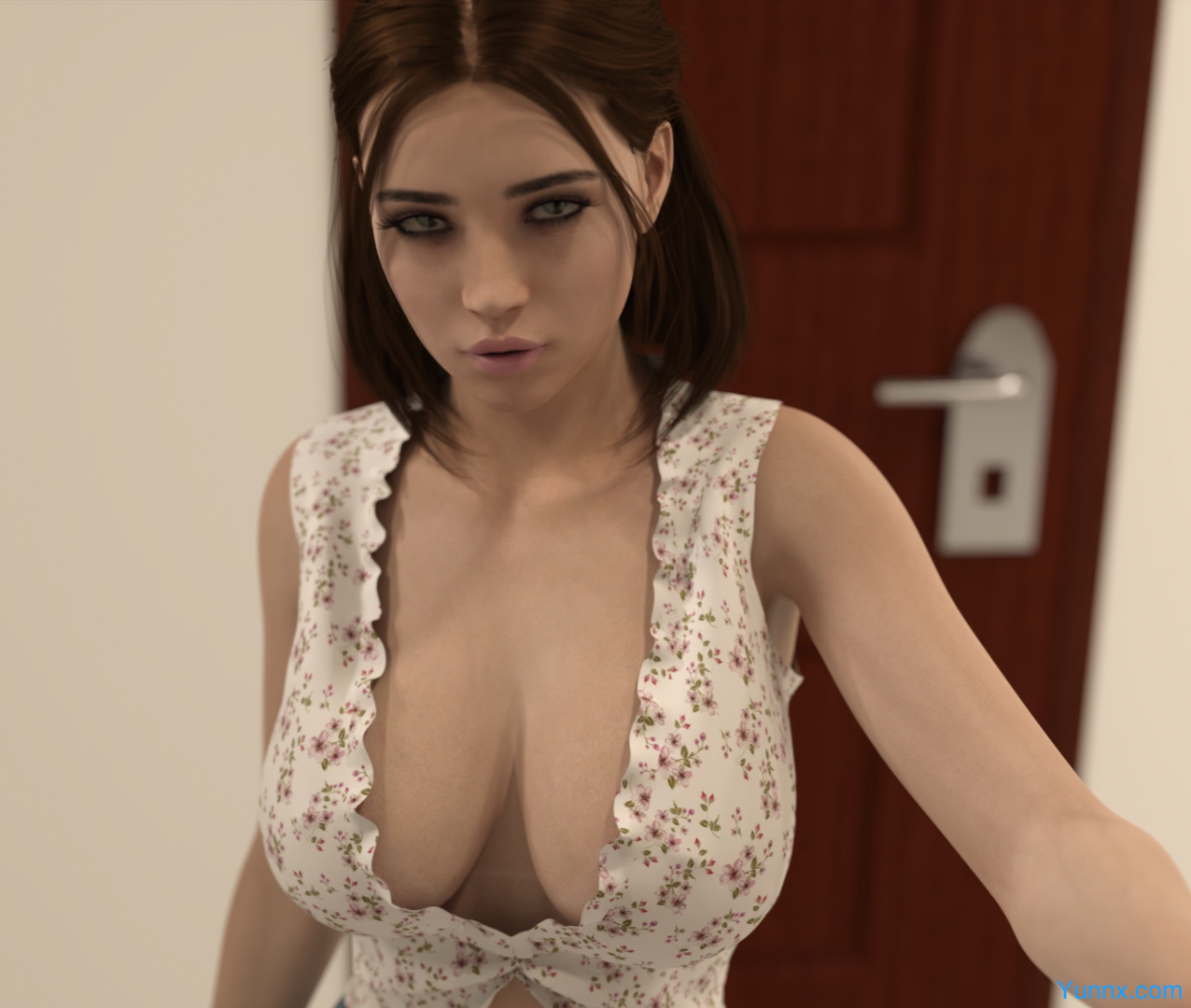
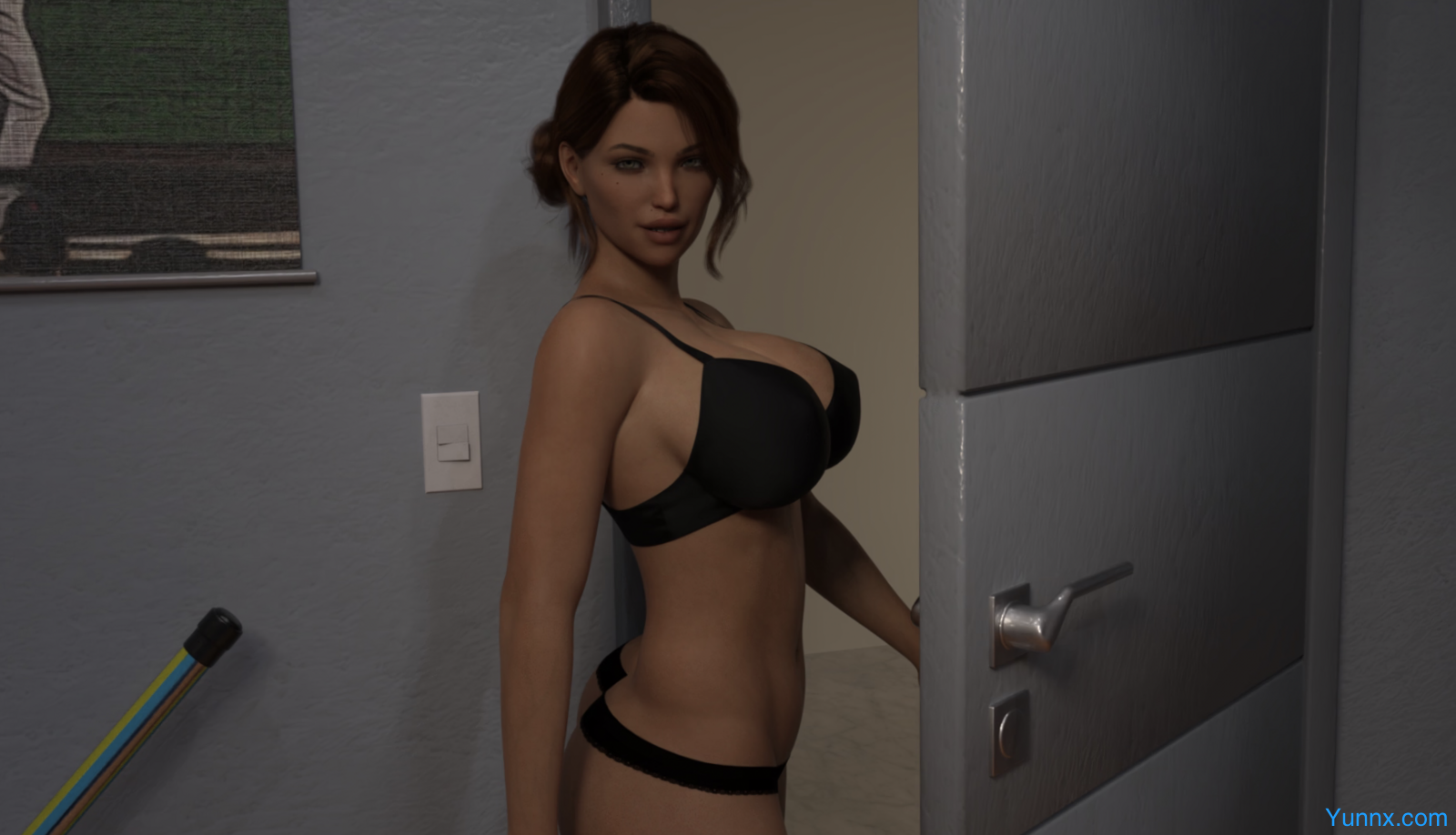

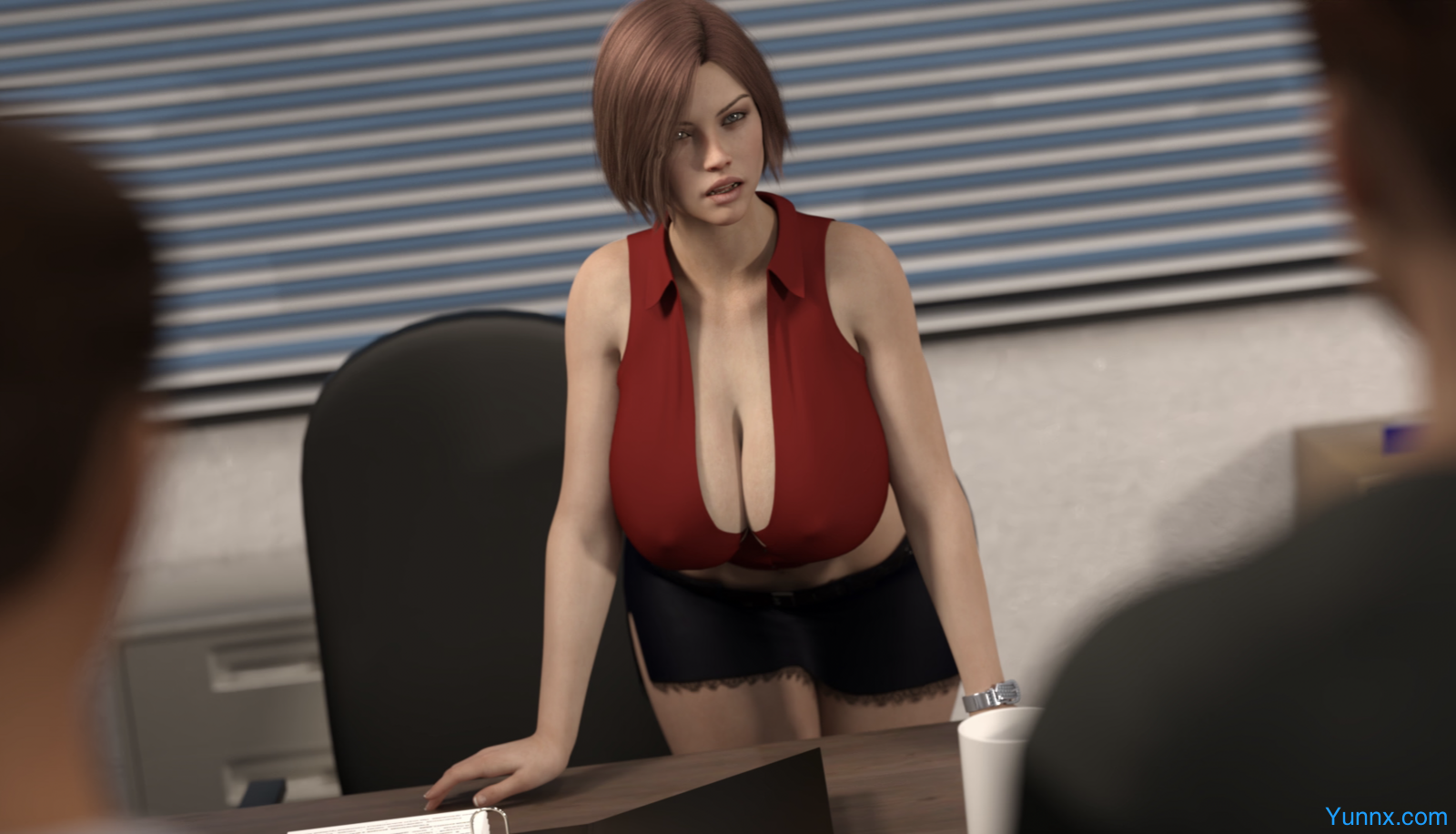
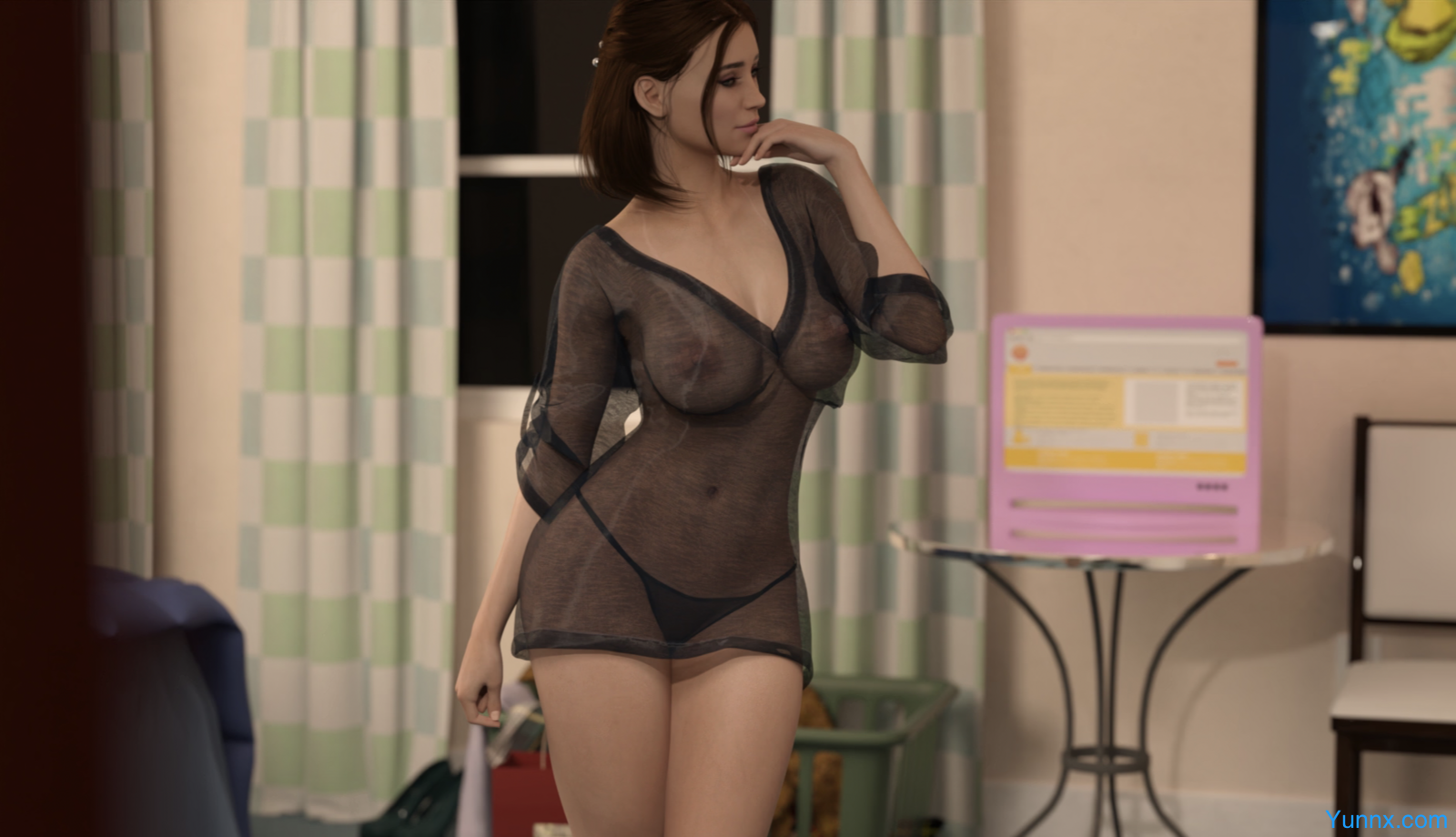
Hearts of The City immerses players in a tangled web of cohabitation chaos. As a young tenant living with a mysterious landlady and two unpredictable roommates, your daily choices ignite fiery bonds, expose buried secrets, and redefine "found family." Navigate humor, tension, and unexpected twists in this choice-driven visual novel where home is anything but safe.
Unconventional Household, Explosive Dynamics
1. Characters with Hidden Depths: Your enigmatic landlady guards a past she won’t discuss. Roommate A is a chaotic artist hiding financial ruin, while Roommate B’s "perfect student" facade masks dangerous obsessions. Every interaction peels back layers—share a meal or snoop through diaries to uncover motives.
2. Domestic Warfare & Alliances: Turn chores into battlegrounds—sabotage chores to provoke confrontations, or mediate disputes to forge fragile truces. Allies shift: side with the landlady against noisy roommates to gain her trust, but risk becoming her next target.
3. Space as a Narrative Tool: The crumbling apartment evolves: fix leaks to unlock hidden rooms, rearrange furniture to eavesdrop on secrets, or neglect repairs to trigger explosive arguments that reveal truths.
Choice-Driven Consequences That Rewrite "Home"
1. Relationship Tetris: Balance three relationship meters (Trust, Resentment, Intimacy) with each character. Overinvest in the landlady’s favors? Roommates may unite against you. Ignore tensions? A midnight kitchen brawl could burn the house down—literally.
2. Mini-Game Morality Tests: Resolve conflicts via quick-time events:
• Mediation Mode: Calm a screaming match by aligning dialogue choices with hidden traumas.
• Sabotage Mode: Plant evidence to turn allies into enemies—then blackmail them for leverage.
3. Butterfly Effect System: Seemingly trivial acts ripple: lending cash spirals into loan-shark threats; comforting a roommate unlocks romantic subplots—or stalker nightmares. Autosaves lock in irreversible fallout.
Visual Storytelling That Breathes Unease
1. Art That Whispers Secrets: Hand-painted backgrounds morph based on tension—walls crack during arguments, rooms dim when trust erodes. "Memory Shard" CGs expose fractured pasts: the landlady’s locked photo album reveals a missing husband.
2. Soundscapes of Suspicion: Original score shifts from jazzy apartment themes to dissonant strings during confrontations. Optional voice acting amplifies rawness—landlady’s soothing tone curdling into venom when cornered.
3. UI as Emotional Barometer: The interface decays alongside relationships—cracked menus during betrayals, blood-splattered quest logs after violence. Even saving feels like complicity.
Endings Where No One Leaves Unscathed
1. 12+ Finales Rooted in Choice: Achieve a bittersweet "Renewal Ending" by reconciling all feuds, or embrace the "Pyre Ending" by stoking hatred until the house burns. Hidden "Covenant Ending" reveals the apartment is a purgatory trial.
2. New Game+ Revelations: Replay with "Truth Lens" to see characters’ inner monologues. Discover the landlady’s link to a city-wide cult via 17 hidden symbols etched in walls.
3. Community Secrets: Export your ending to unlock bonus scenarios—e.g., Roommate B’s stalker returns in DLC: Crimson Letters, turning your safe haven into a hunting ground.